Investigate the Extensive Services Offered by CGCs in the Construction Field.
Commercial general contractors are essential in the construction industry, offering a range of services that handle all phases of a project. Their expertise spans from initial design and planning to efficient project oversight and meeting safety rules. Hickory top rated Commercial General Contractor. By coordinating various subcontractors and ensuring quality control, they work to fulfill both financial restrictions and deadlines. This comprehensive method brings up see guide key points about the effect of their methods on project success and client approval
Understanding the Role of CGCs
Although the construction industry encompasses a number of functions, commercial general contractors (CGCs) serve a pivotal function in overseeing and managing construction projects. They are tasked with ensuring that projects comply with design specs, budgets, and schedules. CGCs manage diverse subcontractors, like carpenters, plumbers, and electricians, to ensure that all aspects of the construction process run smoothly.
In addition, they must getting the necessary licenses and ensuring adherence to local building codes and regulations. This role requires a profound knowledge of construction practices, as well as effective leadership and interpersonal skills. CGCs act as the primary point of contact for clients, resolving problems and sharing status reports throughout the project’s duration. Their ability to navigate challenges while maintaining quality standards is essential to the successful completion of commercial building projects, thereby enhancing the efficacy and efficiency of the industry as a whole.
Managing Projects and Coordination
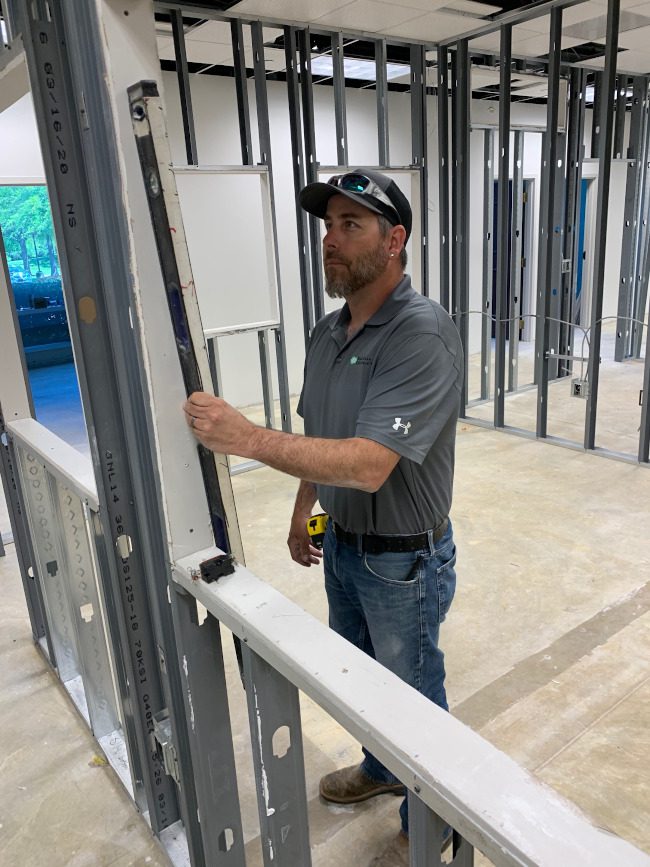
Managing and organizing projects are essential elements for the project success overseen by commercial general contractors. Effective communication strategies, resource allocation techniques, and schedule control methods are fundamentally important in making sure projects are delivered on time and within financial limits - Hickory top rated Commercial General Contractor. By excelling at these factors, contractors can foster cooperation among stakeholders and maximize project results
Key Communication Practices
Strong communication techniques are vital in the success of construction projects, as they guarantee that all stakeholders are on the same page and updated throughout the process. Clear channels of communication promote cooperation among architects, engineers, subcontractors, and clients, making sure everyone grasps project requirements and timelines. Scheduled check-ins and status updates help identify potential issues early, making rapid solutions possible. Utilizing modern communication tools, including construction management tools and handheld apps, enhances information sharing and ensures all parties are linked. Furthermore, creating an environment of candid discussion inspires input and supports openness, which often results in better choices. Ultimately, effective communication strategies lead to easier project delivery and increased stakeholder satisfaction in the construction industry.
Resource Allocation Techniques
Resource distribution strategies are vital for the smooth delivery of building projects, making certain materials, manpower, and gear are used effectively. Proper resource distribution requires reviewing project demands and matching them to existing resources, which aids in minimizing waste and optimizing productivity. Project leaders implement different tactics, like ranking jobs by importance and resource access, to allocate resources effectively. In addition, implementing technology to track asset utilization improves choices and flexibility. Periodic checks on resource usage aid in spotting possible choke points and areas for improvement, facilitating prompt modifications. By utilizing these strategies, GPs can keep projects moving forward, manage expenses, and in the end reach project targets according to the defined limits.
Techniques for Timeline Adherence
Handling project durations requires precise planning and organization to ensure every stage of the project advances seamlessly. Construction firms implement various deadline management strategies to increase operational speed and secure completion within the timeframe. These methods involve creating comprehensive timelines, leveraging project tracking technology, and making periodic progress checks. Through establishing precise due dates and benchmarks, builders are able to efficiently track progress and address potential delays promptly. Furthermore, they set up communication guidelines between sub-trades, vendors, and interested parties to ease communication movement and avoid misunderstandings. Anticipatory risk mitigation techniques also help maintain the schedule, allowing for adjustments in response to unforeseen challenges. Finally, proper deadline oversight is vital for accomplishing project aims and keeping clients happy in the competitive construction industry.
Design and Planning Services
Planning and design services are key aspects of the construction process, emphasizing productive concept development tactics. These methods guarantee that project visions align with real-world execution, while architectural coordination processes facilitate seamless collaboration among stakeholders. By prioritizing these elements, commercial general contractors are able to improve project results and efficiency.
Strategies for Concept Development
The success of a construction project often frequently depends on its initial vision, effective concept development strategies are vital in transforming ideas into actionable plans. These strategies involve a systematic approach encompassing comprehensive research, involving stakeholders, and feasibility assessments. By working closely with clients and stakeholders, commercial general contractors can pinpoint project objectives and constraints early in the process. This collaboration fosters innovation while ensuring alignment with budgetary constraints and regulatory needs. In addition, prototypes and visualizations can be used to refine concepts, permitting modifications before substantial capital is committed. Finally, effective concept development strategies not only streamline the shift from vision to reality but also reduce potential risks, establishing the foundation for a successful construction project.
Processes for Architectural Coordination
Effective architectural coordination processes are essential for the successful execution of construction projects. Such processes demand careful collaboration among architects, engineers, and contractors to ensure that design intentions are accurately translated into tangible structures. Commercial general contractors are key players in improving communication and aligning project goals. Contractors manage the incorporation of various design elements, addressing potential conflicts during the initial planning stages. This proactive approach minimizes costly delays and rework, promoting a more efficient workflow. Additionally, robust architectural coordination makes certain of compliance with building codes and local regulations, enhancing project viability. By simplifying design revisions and improving resource allocation, these processes ultimately contribute to the overall efficiency and quality of construction outcomes, delivering projects that meet client expectations and standards.
Budget Management and Financial Control
Budgeting and financial oversight are critical components of successful construction projects, making certain that resources are efficiently allocated and expenditures stay within established limits. Construction managers are crucial in this aspect by meticulously developing budgets that cover the complete breadth of the project, including materials, labor, and unforeseen contingencies. Their expertise allows for precise prediction, which is crucial for avoiding cost overruns and securing economic success.
In addition, general contractors implement rigorous financial monitoring throughout the project lifecycle. They track spending against the budget, modifying resource distribution when needed to handle shifts in the project's requirements or unexpected expenses. This forward-thinking approach not only safeguards the project's financial health but also encourages clear reporting with stakeholders regarding budgetary status. By providing thorough reports and regular updates, general contractors make certain all stakeholders are aware, thereby enhancing trust and collaboration throughout the construction process.
Quality Control and Safety Compliance

Maintaining high quality and ensuring safety are paramount in the construction industry, making certain projects adhere to defined benchmarks while safeguarding the welfare and safety of all workers involved. Commercial general contractors implement strict quality assurance protocols by conducting regular inspections, verifying supplies, and confirming compliance with requirements. This approach aids in detecting issues promptly, reducing costly rework and delays.
Safety compliance is equally critical; contractors adhere to Occupational Safety and Health Administration (OSHA) regulations and standard industry procedures to create a secure work environment. This encompasses supplying necessary education, PPE, and upholding transparent reporting regarding safety protocols.
Support and Services After Construction
After the building phase concludes, commercial general contractors provide essential post-construction services and support to ensure the project still satisfies client requirements. Such offerings usually feature thorough inspections to confirm adherence to requirements and local regulations. Warranty issues might also be managed by the contractor, addressing any issues that arise after the project handover.
In addition, contractors supply upkeep assistance, assisting owners with facility maintenance to extend its useful life and assure functionality. Training sessions for staff on equipment and systems may also be included to improve how efficiently the facility runs.
Moreover, general contractors often help with project closeout documentation, ensuring that all relevant information is organized and ready for consultation. This ongoing support establishes a lasting relationship between contractors and clients, cultivating reliance and positive feedback while encouraging responsibility in the construction process. Overall, post-construction services are crucial in the project's long-term success.
FAQs
What Categories of Work Do CGTs Usually Manage?
Commercial general contractors typically handle a variety of projects, including office buildings, commercial outlets, industrial facilities, healthcare centers, educational institutions, and multi-family units, making sure every job adheres to industry standards and customer requirements efficiently.
What is the Process for Selecting the Right Commercial General Contractor for My Development?
When picking the best construction manager, you must assess their background, verify recommendations, determine their economic reliability, examine previous work, and guarantee clear communication regarding timelines and costs for successful job execution.
What Are the Common Challenges That Arise During Development?

Common challenges faced during construction projects involve exceeding the budget, timeline setbacks, lack of skilled workers, regulatory compliance, surprising subsurface problems, and breakdowns in dialogue among stakeholders. Such difficulties frequently hinder the building process and can lead to greater financial outlay and timelines.
How Do Firms Maintain Conformity To Area Safety Standards?
Builders ensure adherence to regional construction regulations by carefully studying the rules, performing frequent checks, collaborating with local authorities, and maintaining detailed documentation throughout the construction process to lessen dangers and adhere to safety standards.
What Assurances or Promises Do Contractors Usually Provide After Project Completion?
Builders usually offer assurances for labor and supplies, lasting from one to ten years. Guarantees often include remediation of issues, ensuring clients receive a guarantee of standard and peace of mind following handover.